18 Feb 2025 ● Janet O’Neill, Dep Head of NSOH
Why I Chose Occupational Health As A Nursing Career Move
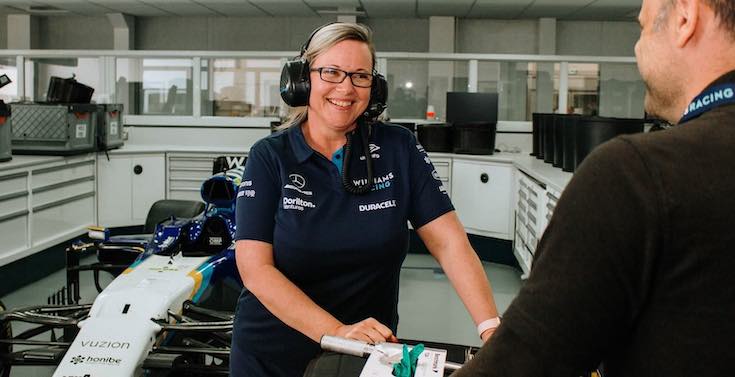 Job opportunities can be varied and surface in both the private and the public sectors.
There is often too little understanding about the role of an Occupational Health Nurse, or the career pathways available. In this article Janet O’Neill tells her journey and throws a light on what you can expect, and the first steps you might take in Occupational Health as a Nurse.
Starting Out As A School Nurse
Before I entered occupational health (OH) I felt stagnant. As a school and agency nurse at the time, I focused on the next shift and not much else. Nurse accreditation and Continuing Professional Development (CPD) was not a requirement and, I am ashamed to say, that I didn’t upskill or undertake any further training other than the essentials such as manual handling.
In 2002 I saw an advert for a part-time OH screening nurse, working for a small independent OH provider. Interest piqued; I applied. Following the interview, I was determined to get the job and told Dawn Knight, the recruiting OH Nurse, just this. She hired me and then gave me so much more. Setting that learning curve. Every few weeks she gave me a topic to research and then we discussed it, whilst also teaching me practical skills. It was a steep climb but one that lit my fire. I felt changed. I realised I was entering a career, not just a job.
What I Enjoy About Occupational Health
Looking back, I feel blessed to have started OH as a screening nurse. I loved the different work environments, getting to know the different health risks when undertaking health surveillance and the risks of health in safety-critical assessments.
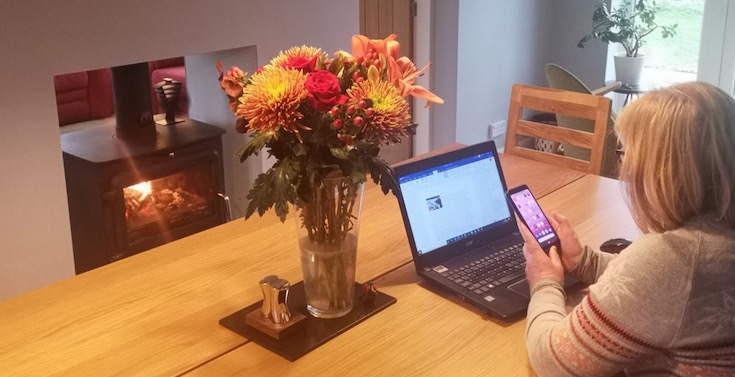 OH facilitates continual learning. In OH, we learn so much about people, roles, tasks, risks, health conditions and more.
 I loved the people. Building rapport, finding out about their work, explaining the importance of looking after their health in and out of work, giving them their results and having a chuckle whenever possible.
I made a difference. I particularly enjoyed being able to visit the workplace; being shown around or watching a particular task gave me invaluable insight and enabled me to contribute to reducing risks.
You Will Be Constantly Learning
OH facilitates continual learning. In OH, we learn so much about people, roles, tasks, risks, health conditions and more. Understanding how health affects work but also how work affects health creates learning opportunities. It is not possible to know everything!
I identified colophony (electrical welding fume) as a risk; health surveillance was needed. When in place, I was able to identify an employee with signs of occupational asthma
Therefore research skills are important for evidence-based practice. Some of us become specialists in areas including rail, police, public sector, NHS, and manufacturing - building on our basic knowledge with new ways of thinking and becoming familiar with new standards.
Our learning is not just self-led, or mentor-led, although these are important avenues. Basic understanding is essential, and this is where OH courses come into play. The Faculty of Occupational Medicine (FOM) diploma in OH Practice was not available when I was studying OH, but Warwick delivered an OH diploma, run by Cynthia Atwell OBE.
Our final assignment was a workplace needs assessment, reviewing risks and advising on change if needed. I identified colophony (electrical welding fume) as a risk; health surveillance was needed. When in place, I was able to identify an employee with signs of occupational asthma. This led to a review of the risk assessment by the factory and improved controls were put in place. Early identification reduced the risk of a long-term irreversible condition. Talk about making a difference!
Higher Education Opportunities
As I moved further up in OH, undertaking more sickness absence management and more strategic support for employers, I realised that I still did not know enough. Although there were a few courses available, including the SCPHN-OH, I chose Nottingham University MSc in Workplace Health and Wellbeing. This gave me skills and tools to learn for myself, to horizon scan, to research and critique. Following on from higher level OH qualifications, there are further opportunities such as PhDs, MBAs etc.
OH makes a tangible difference to work and health.
Next Steps
- If you are looking for a career in OH, whether as a nurse or AHP, have a look and consider a mentor to guide and support your decision and if right for you – see Mentoring (ohcareers.info).
- And of course, read more about Occupational Health on our page here on Nurses.co.uk
- If you would like to listen to my story, here is a SOM podcast with myself and Anna Harrington discussing the reasons for entering OH as a career. A fun and upbeat listen!
- If you would like to know more, there is an OH conference in Wales on the 24th of April
- And an introduction to Occupational Health on the afternoon of the 1st of July
- Browse Occupational Health jobs here on Nurses.co.uk
- Browse Occupational Health Nurse jobs here on Nurses.co.uk
Please note, the bulk of this blog first appeared within the Society of Occupational Health website.