12 May 2020 ● Olivia Lewis, Theatre Nurse
What nursing jobs are available to you as a Theatre Nurse?

Olivia Lewis is a Theatre Nurse at Royal Cornwall Hospital NHS Trust who specialises in general and emergency surgery. Originally from New Zealand, she moved to the UK in 2018 and writes about theatre nursing, career development, and working in healthcare.
(Read about her journey here.)
Updated 16th March 2026
Theatre Nurses are Registered Nurses with a nursing degree.
Theatre Nurses work specifically within an operating theatre environment. It's a varied sector with different specialities including scrub nurse, recovery nurse and anaesthetic nurse.
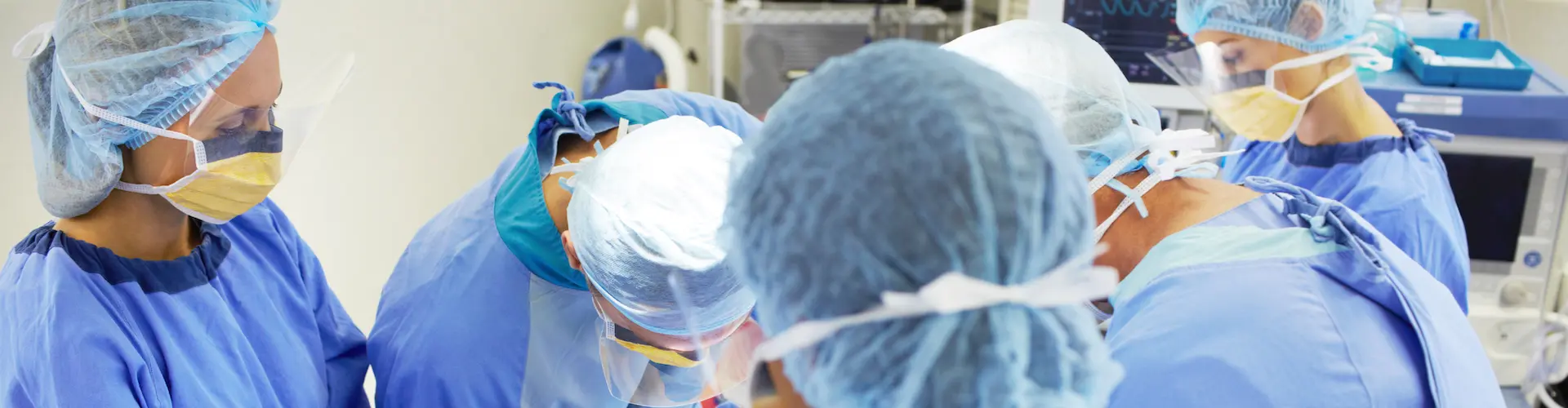
A theatre nurse works with a patient before, during or after a surgical procedure or at a combination of these points.
All theatre nurses must have an exceptional understanding of infection control and if they are scrubbing in then surgical hand-washing skills must also be exceptional.
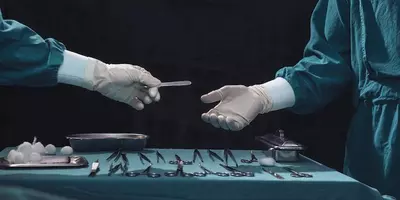
During a surgical procedure, a theatre nurse will be present in the operating theatre and they will pass the surgeon any equipment they require. They may also use suction in accordance with the surgeon’s direction.
What is the role of a Scrub Nurse?
A Scrub Nurse (find jobs for scrub nurses here) will be present in the theatre throughout the procedure to assist the surgeon by handing them the correct tools as they as for them.
An experienced Scrub Nurse will be able to anticipate the tools a surgeon will require and can pre-empt a request for equipment to ensure a smooth working routine with the surgeon.
A Scrub Nurse is also responsible for ensuring all equipment is accounted for at the end of the procedure. Only by doing a complete inventory of all tools and swabs can they be sure that a patient is ready to come out of theatre. Infection control is a key part of a Scrub Nurse’s job.
They will be in direct contact with the patient during the procedure, so it’s essential that good hand washing techniques are observed as well as the complete sterilisation of all equipment used in the procedure before and after use.
When a Theatre Nurse is “scrubbing”, they work within the sterile field of the operating theatre. Before surgery, Scrub Nurses wash their hands thoroughly and don a sterile gown.
They enter the theatre and open their surgical trays, these trays contain all the instruments that are required to complete the surgery.
They gather other equipment from the circulating staff, such as swabs, sharps, blades, and other packaged instruments.
Scrub Nurses check every item on their tray for damage, and ensure they are working properly for the surgeon. Each swab, needle, and blade, must be accounted for. These are all written on the board to help the Scrub Nurse keep track of what they have on their tray.
The Scrub Nurse then helps prepare the patient by cleaning the patient skin with iodine or chlorhexidine, followed by draping the patient, which creates a sterile field to work within.
The Scrub Nurse then hands the instruments, swabs, and sharps to the surgeon, when he requests them.
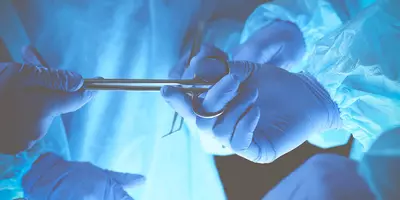
The instruments and other items must be handed to the surgeon in a timely and appropriate manner, e.g. all sharps must be carefully handed to the surgeon so they do not hurt themselves.
If an emergency occurs during the operating, Scrub Nurses must be prepared.
The Scrub Nurse must stay calm and act quickly - for example, assisting the surgeon to stem bleeding via handing the surgeon clamps or gauze packs.
Or requesting urgent items from circulating staff.
When the surgery is ending, the Scrub Nurse ensures every item is accounted for, and let’s the surgeon know, so he can close the patient up.
Jobs for Theatre Nurses
Discover Theatre Nurse roles nationwide with public and private sector healthcare providers on our Theatre Nurse jobs page. We aim to list more jobs than any other job board, alongside detailed information about each advertiser, so you can find the best job and employer match.
What is the role of a Circulating Nurse?
A Circulating Nurse works between any of scrub and recovery nursing processes, but oversees the wellbeing of the patient and is an advocate throughout the process. They are usually a clinically experience scrub nurse capable of providing care in any of the three key stages of theatre nursing.
Their responsibilities are to ensure that the needs of the patient are at the forefront of the planning, implementation and evaluation stages. For example, the circulating nurse will assess the patient’s skin and decide if adhesive drapes are the best type to use, because they can be particularly damaging to elderly skin.
In a case where the circulating nurse has identified a patient that requires an alternative drape, they will notify the scrub nurse and / or the surgeon to consider an alternative method.
The Circulating Nurse works outside of the sterile field, within the operating theatre and ensures the scrub team has everything they need and that the operating runs smoothly.
The Circulating Nurse is the communicator - he or she will answer any calls or pagers and relay urgent messages to the Scrub Nurse, who will inform the Surgeon.
The Circulating Nurse also assists the Scrub Nurse in setting up equipment like diathermy machines, and will fetch any other equipment or items that are needed.
If an emergency happens during surgery, the Circulating Nurse will be expected to call the relevant Doctor or consultant to rectify the issue, e.g. a patient needs an urgent tracheostomy as they are not ventilating, so the nurse will call the ENT surgeon and ask him to urgently come to theatre.
Theatre Nurse Pay Guide
Find out more information about pay in our Theatre Nurse Pay Guide which you can jump into for a review of salary and pay rates for this job role. We keep all of our pages up to date, using trusted sources and humans, so this is accurate information.
Anaesthetic Nurse
Prior to surgery a patient will be in contact with an Anaesthetic Nurse (find Anaesthetic Nurse jobs here), who will help prepare the patient for the operation. In conjunction with an anaesthetist, they work to assess and plan using an individualised care plan.
During the surgery they will work with the anaesthetist to ensure the correct level of anaesthesia is delivered to ensure the patient remains comfortable. Some procedures will be done under local anaesthetic so it’s important that communication with the patient is maintained to ensure they are comfortable throughout.
Recovery Nurse
When the surgical procedure is over, a Recovery Nurse (you can find Recovery Nurse jobs here) will take over the care of the patient from then on. They monitor the patient closely as they recover from the anaesthetic, in particular to ensure breathing and vital signs remain strong.
They may also need to arrange IV fluids, pain medication and oxygen. A patient is most vulnerable immediately after they leave theatre, and at this point one to one care may be provided to ensure a smooth recovery.
If a patient shows signs of distress or respiratory difficulty then a recovery nurse must act quickly to stabilise the situation, which could mean calling for assistance or intubating the patient to maintain airflow into the lungs.
Surgical Care Practitioner
Career progression for Theatre Nurses could involve becoming a surgical care practitioner (SCP).
Surgical care practitioners are experienced operating department professionals.
Their main duties are to support surgeons in their role before, during, and after procedures.
With experience and training, SCP’s can perform minor surgeries on their own.
Being a SCP allows nurses to stay within a clinical role, while transitioning into advanced care.
Operating Theatre Manager
Most theatre managers were once Theatre Nurses, so this is a great route to take if you love to take charge and enjoy being a leader!
Managers are responsible for the wellbeing of theatre staff and ensure everything runs smoothly.
Many theatre managers still get the opportunity to scrub in for surgeries if they are short staffed, so clinical skills can be upheld.
What is the career progression like for Theatre Nurses?
Career progression for Theatre Nurses starts with getting as much experience as possible.
Immersing yourself into different specialties, acquiring new skills, and participating in training will help you progress.
Most Theatre Nurses are specialised within one particular field.
There are various different specialties available.
Many nurses start in general surgery (appendix removals, etc), and consolidate theatre skills.
They then move to a specialised area.
However, some nurses start in a specialised area and are trained on the job, depending on their vacancies.
How do the various Theatre Nurse job roles differ?
The various theatre roles differ depending on which specialty you work in.
For example, delicate eye surgery in ophthalmology is very different to amputating legs in orthopedics.
Operating times also differ - more complex surgeries often take longer to complete than simple surgeries.
Theatre Nursing has the same principles, no matter what specialty you are working in.
These principles include working within the sterile field, setting up trays, and counting instruments and swabs.
Regardless of the specialty, the common goal is to achieve the best possible outcomes for the patient.
How can you develop your skills as a Theatre Nurse?
To develop your skills as a Theatre Nurse, get involved with as many surgeries as possible, attend training sessions and complete post-graduate study.
Most theatre nursing skills simply come with experience, repetition, and learning from your mistakes.
Tips for becoming a Theatre Nurse
- Ask plenty of questions
- Watch as many surgeries as possible before getting involved
- Learn human anatomy - different blood vessels, muscles, pathology, and organs
- Ask your manager if there are any courses you can take to broaden your knowledge
- Learn from your mistakes and celebrate your victories - like the first time you scrub in for a complex surgery on your own!