
2 Jun 2021 ● Matt Farrah, Nurses.co.uk Founder
Why Are Fewer People Joining The NMC Register Compared To Last Year?
 Why Are Fewer People Joining The NMC Register Compared To Last Year?
The latest report from the NMC has shown a decrease of more than 3,700 in NHS nursing professionals joining the Register for the first time between March 2020-21 when compared to the same time period the previous year.
The NMC Register report for 2020/21 shows there were in total 34,577 first-time joiners to the Register in 2020-21, compared to 38,323 the previous year.
This slight decline follows several years of steady growth.
Do you think this fall in new registrations marks the beginning of a new pattern, or will it be an aberration in a continuing upward trend? Comment Like ❤️ Reply below.
An additional 11,673 nurses, 1,152 midwives and 2,660 nursing associates are now registered with the Nursing and Midwifery Council (NMC) compared to March 2020.
The number of nursing professionals leaving the Register is the lowest in five years. 23,936 people left the register in 2020-21. This is compared to a peak of almost 35,000 in the year 2016-17.
To what extent do you think the COVID pandemic and the reaction of the government to it, is responsible for a fall in both the new nursing registrations and in those leaving the Register?
The figures also reveal an aging workforce, with a rise in the number of professionals in the retirement age ranges on the Register. This could conceivably lead to increasing numbers leaving the Register and professions in the coming years.
Should the government be putting extra resources and funding into nurse training now in order to try and bridge the gap when a sizable percentage of the current nursing register retires?
In a survey by the RCN of 14,996 nurses and midwives who left the NMC Register, the most frequently cited reasons for younger people leaving the profession were because they were leaving the UK, Brexit and poor pay and benefits.
The NMC conducted its own survey of more than 6,000 people to find out reasons why they had left. Other than retirement (51.6%), the key reasons for leaving included too much pressure (22.7%) and the impact of a negative workplace culture (18.1%).
Given the ongoing row over pay between the health unions and the government, and the increasing demands on NHS services from a growing and aging population, combined with the pressure on services of catching up on treatments that were stopped or delayed due to the pandemic, what chance do you think there is of increasing levels of retention among those not of retirement age?
RCN Acting General Secretary & Chief Executive Pat Cullen said:
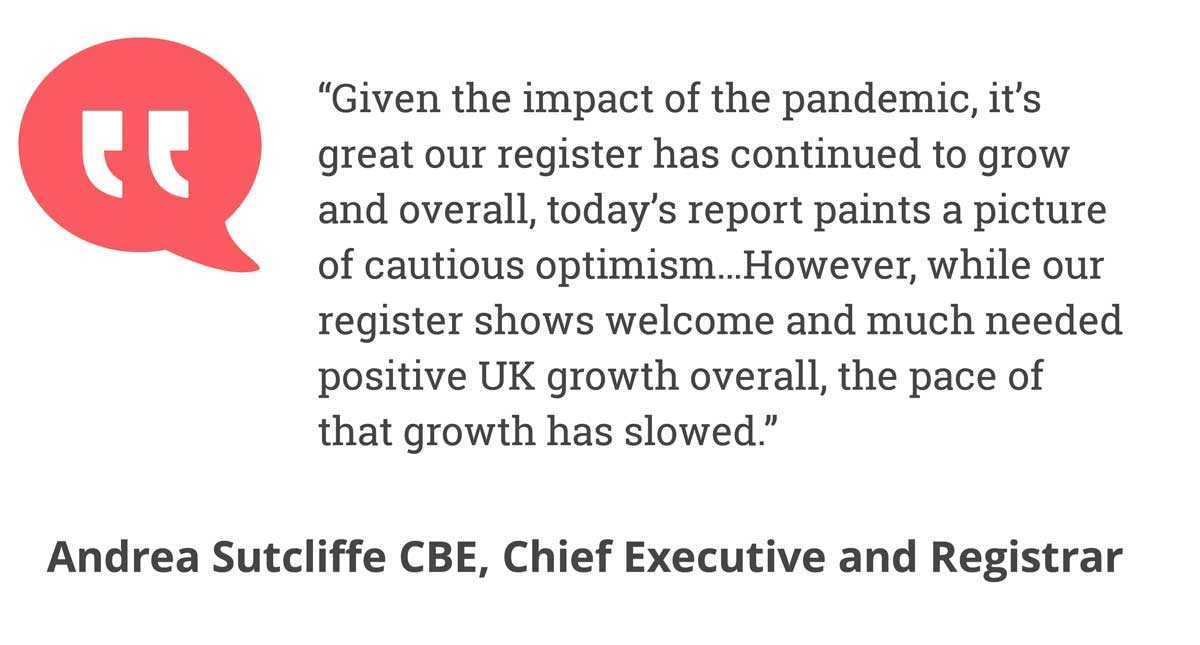
“Fewer nurses registered with the NMC this year than last. The register is growing nowhere near enough to meet patient demand. The situation will get worse when one fifth of the register retires in the next few years…This is clearly a major risk for the quality and safety of patient care, which is only set to increase in demand.” Read more about the pressures on the NHS affecting nursing recruitment.
She added:
“The reasons why nursing staff are leaving the profession they love have yet to be addressed. Until they are, our profession, and the patients they care for, stand on the precipice of a crisis.”
What can be done to stop the growth in the number of nurses from flatlining? Should the nursing bursary be fully re-instated, along with more training places?
Is there an argument for more ground-up, rather than top-down restructuring of the NHS, as part of the government’s health and social care reforms? And to what extent would greater efficiencies within the NHS help to offset the relative fall in the number of new nursing professionals registering to practice?
Please Like this article if you found it interesting and let us know what you think in the comments.
Thanks.