22 May 2023 ● Amira Begum, Health Protection Practitioner
ODP Job Roles And Responsibilities
 “Operating Department Practitioners play a vital role in ensuring the safe and effective delivery of surgical care. Their job role and responsibilities are wide-ranging and varied, and require a high level of skill, knowledge, and expertise.”
Are you interested in becoming an Operating Department Practitioner? This helpful article explains responsibilities of the job, as well as the roles of Anaesthetic ODP, Scrub Practitioner and Recovery Practitioner.
Operating Department Practitioners (ODPs) are healthcare professionals who play a crucial role in the operating theatre. They work alongside surgeons, anaesthetists, and other healthcare professionals to ensure that surgical procedures are carried out safely and effectively.
In this article, we will explore the job role and responsibilities of an Operating Department Practitioner in the UK. ODPs have important roles in anaesthetic, surgery, and recovery.
Job Role
ODPs work in a variety of settings, including hospitals, clinics, and private healthcare facilities. Their main job role is to provide expert assistance to the surgical team throughout the perioperative process, which includes the preoperative, intraoperative, and postoperative phases.
The preoperative phase involves preparing the patient for surgery. ODPs are responsible for ensuring that the operating theatre is clean and properly equipped with all necessary instruments and equipment. They also ensure that the patient is positioned correctly on the operating table, and that all necessary monitoring equipment is in place.
During the intraoperative phase, ODPs work closely with the surgical team to provide the necessary support and assistance. This may include assisting the anaesthetist with the administration of anaesthesia, preparing and handling surgical instruments, and monitoring the patient's vital signs throughout the procedure.
After the surgery is complete, ODPs are responsible for transferring the patient to the recovery area and ensuring that they are stable and comfortable. They may also assist with the removal of any tubes or equipment used during the procedure.
Responsibilities
The responsibilities of an ODP are wide-ranging and varied. They include:
Patient Care
ODPs are responsible for ensuring the safety and well-being of the patient throughout the perioperative process. This involves monitoring the patient's vital signs and responding quickly to any changes in their condition.
Infection Control
ODPs are responsible for ensuring that the operating theatre is clean and sterile. This includes cleaning and disinfecting equipment, maintaining sterile fields, and adhering to strict infection control protocols.
Equipment Management
ODPs are responsible for ensuring that all equipment used in the operating theatre is properly maintained and in good working order. This includes sterilizing instruments, ensuring that equipment is properly calibrated, and replacing worn or damaged equipment as needed.
Teamwork
ODPs work closely with other healthcare professionals, including surgeons, anaesthetists, and nurses. They must be able to communicate effectively and work collaboratively as part of a team to ensure that surgical procedures are carried out safely and efficiently.
Record Keeping
ODPs are responsible for maintaining accurate and up-to-date records of all procedures carried out in the operating theatre. This includes documenting the patient's medical history, recording the details of the procedure, and noting any complications or adverse reactions.
Operating Department Practitioners play a vital role in ensuring the safe and effective delivery of surgical care. Their job role and responsibilities are wide-ranging and varied, and require a high level of skill, knowledge, and expertise.
Anaesthetic ODPs
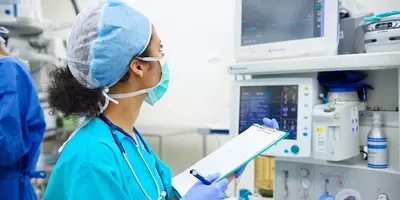
In this role the ODP assists the Anaesthetist. The ODP will start the day by check the anaesthetic machines, ensuring correct equipment is available and check medication.
Often the Anaesthetic ODP is the first person that the patient meets, and it is important to establish a good rapport with them from the outset. Once they are in the anaesthetic room the ODP will check the patients name and details to ensure they are the correct patient, and they are aware of the procedure they are having as well as making sure that we are aware of any drug allergies.
They will apply vital signs monitoring to the patient and then assist the Anaesthetist whilst they administer the anaesthetic type of choice.
Once the patient is anaesthetised the ODP will ensure the patient is safely positioned on the operating table and that they are kept warm and secure throughout.
Scrub Practitioners
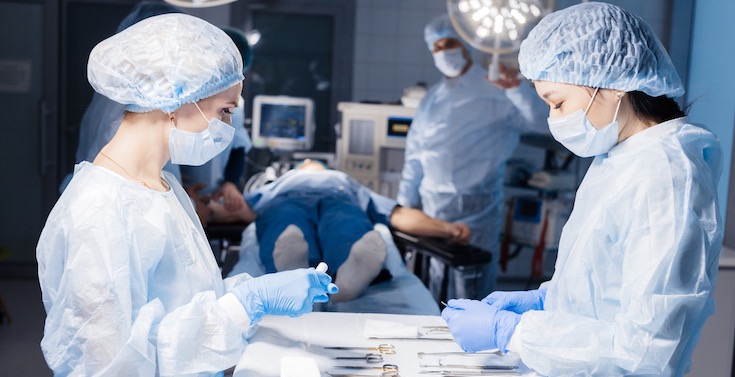
ODPs can also be Scrub Practitioners. Scrub Practitioners will check that the correct equipment is available for procedures. After scrubbing for the case, the practitioner will set up the surgical tray and ensure all sterile equipment is ready for the case including having prep ready to clean the surgical field on the patient.
Also, during the case the Scrub Practitioner will be the patient’s advocate to ensure that everything is being done for the benefit of the patient. Scrub Practitioners will pass surgical or supplementary equipment to the surgeon as they ask for them.
It is the Scrub Practitioner’s responsibility to maintain the sterile field. In addition to this, the Scrub Practitioner is responsible for swab counts, instrument counts and drawing up any medications needed during the surgery.
For example, during the insertion of Titanium ElasticNail (TENs can be used for management of a broken forearm) the surgeon may ask for local anaesthetic. The Scrub Practitioner will be responsible to ask for local and to draw up the correct amount whilst liaising with the anaesthetist, practitioners will then have to ensure they have checked the date, dosage, and medication with the surgeon.
Recovery Practitioners
ODPs can also work as Recovery Practitioners. The recovery room will be prepared in the morning to ensure that it is clean and safe to accept patients and that all equipment is available and working, this will include all necessary emergency equipment. The recovery room is the area that most patients will stay in for a minimum of 20 minutes post-operatively.
The Anaesthetist will hand over the care of the patient to the recovery practitioner detailing the care of the patient until that point including what operation they have had, drugs used and observations intraoperatively.
Whilst receiving the hand over the recovery ODP will be ensuring the patients airway is safe and applying vital signs monitoring. Once the patient is breathing adequately and has satisfactory vital signs, the ODP will document ready for their discharge from recovery to go back to the wards.
Once the ODP is satisfied that these criteria are met then the patient is then returned to the ward. The ODP will give a detailed handover of care to the ward staff who will continue to care for the patient throughout the remainder of their hospital stay.
Conclusion
Operating Department Practitioners play a vital role in ensuring the safe and effective delivery of surgical care.
Their job role and responsibilities are wide-ranging and varied, and require a high level of skill, knowledge, and expertise.
If you are considering a career as an ODP, it is important to be aware of the challenges and demands of the role, as well as the rewards that come from providing high-quality care to patients in need.
If you would like to become an ODP, you can see available roles on our website.