15 Sept 2026 ● Janet O'Neill, Dep Head of NSOH
Why A Career In Occupational Health (OH) Practice Is An Option?
In today’s world there are several options when joining OH, whether through a provider or working in-house. This blog focuses on roles as OH nurses working in a practice type setting. Joining in a practice setting not only allows use of transferable skills but enables development of core occupational health skills that are so important in the role
OH nurses play a vital role in assessing fitness for work, delivering health surveillance, advising on workplace hazards, and supporting employee wellbeing. The Society of Occupational Medicine (SOM) describes OH as a “diverse, highly skilled and rewarding” field where clinicians ensure individuals are safe to work, do not become ill from work and provide lifestyle and health promotion initiatives. For many nurses, although there is a learning curve, it is a natural learning curve making use of many transferable skills
This blog explores why nurses make excellent OH clinicians, what transferable skills you already have, what new skills you’ll gain, and how your career can progress.
Why OH appeals
Plenty of growth and development including initial training, CPD opportunities and longer-term option to become educated in OH, study and progress. More autonomy;- working alone and alongside a team supports confidence and decision making
- Predictable working hours although occasionally night shifts are required
- Clinical work with strong processes and clinical governance
- Opportunities to specialise in sectors like construction, rail, healthcare, manufacturing
- A focus on prevention rather than acute care. Assessment and advice rather than treatment.
- A risk management focus
The chance to work across industries such as manufacturing, education, healthcare, logistics, aviation, construction, and corporate environments broadens horizons and expands both knowledge and confidence. In OH we are not just learning about the person and their health but also the industry, roles and tasks people do. Truly holistic. Many nurses describe OH as a refreshing change: still clinical, still people‑focused, but with a strong emphasis on risk assessment, prevention, education, and long‑term wellbeing.
Discover more about occupational health
Explore our in-depth guide, created in partnership with the NHS, to learn how this vital field supports health and wellbeing.
Transferable Skills You Already Have
Whether you are a newly qualified nurse or you’ve worked in GP practices, prisons, wards, or community settings, you already bring a wealth of skills that map directly onto OH nursing. In nursing, people tend to feel that experience before becoming a nurse doesn’t count, but it does! Even working as a dishwasher in a pub, in a sales role, waitress, banker etc. Whatever part- or full-time job you did will include transferable skills of importance in OH. Communication, customer service, problem solving, people focus, business skills are just some of the skills and behaviours needed in OH.
The RCN emphasises that OH nurses must communicate clearly with employees, managers, HR teams, and multidisciplinary colleagues. Nurses already excel at explaining clinical information, motivating behaviour change, handling sensitive conversations and supporting people through health challenges. Other nursing skills of direct importance include active listening, taking histories and documenting, following a process, basic assessments like blood pressure, weight and height, holistic health, lifestyle health, phlebotomy, injections, planning, infection control, prioritising, physical health assessment and many more.
Nurses frequently work independently, triage patients, and make clinical decisions. OH nursing requires similar autonomy, sometimes in lone‑working or small‑team environments, where nurses assess risk, advise employers and employees, and determine when to escalate to a senior clinician (following clear governance pathways).
These skills underpin OH tasks such as:
- Health surveillance (audiometry, spirometry, skin checks)
- Safety‑critical medicals (for roles such as drivers, plant operators, or rail workers)
- Fitness‑for‑work assessments
- Immunisations and vaccination programmes
- New starter health assessments (pre-employment)
Nurses are natural educators. OH nursing builds on this through workplace wellbeing campaigns, health education sessions, lifestyle advice and advice on the employee’s role in mitigating risks they may be exposed to such as safe working practices and use of PPE.
What You’ll Learn When You Enter Occupational Health
While your foundation is strong, OH nursing introduces new knowledge areas that make the role both stimulating and professionally rewarding. These are taught through accredited training and supervised practice.
1. Workplace Legislation and Regulation
- Health and Safety at Work Act
- COSHH
- RIDDOR
- Noise regulations
- Hand Arm Vibration legislation
- Equality Act (especially around disability and reasonable adjustments)
- Industry‑specific regulations (e.g., rail, construction, aviation)
This legal and regulatory knowledge is unique to OH and forms a core part of your practice.
2. Health Surveillance Techniques
- Spirometry
- Audiometry
- Hand‑arm vibration assessments
- Skin surveillance
- Night worker assessments
3. Health Assessment Techniques
You’ll learn how to assess whether individuals can safely perform high‑risk roles, considering:
- Vision screening
- Cardiovascular health
- Musculoskeletal function
- Mental health
- Medication impacts
- Fatigue and lifestyle factors
- Hearing and lung function
Career Progression: Where OH Nursing Can Take You
Steps can include:
- becoming a specialist in the areas mentioned above
- progressing to an advisor role, undertaking individual assessments with employees and reporting back to management
- strategic advice to employers with workplace needs assessments
- lead services
- Manage clinicians in a lead role
- conduct complex assessments
- influence organisational policy
- work at consultant level
Many OH nurses go on to do a foundation diploma course, a higher education BSc or MSc in Occupational Health practice which can be through the SCPHN or non-SCPHN specialist routes. Many then go onto specialise in workplace wellbeing, ergonomics, mental health and wellbeing, occupational hygiene, health promotion or policy and governance
Interested in OH as a career?
Why not consider our free mentoring scheme with lots of resources?
If you’re looking for a career that blends clinical expertise with prevention, education, and strategic influence, OH nursing could be your perfect next step.
— Janet O’Neill (Deputy Head of the National School of OH)
Final thoughts
Every nurse brings something different to OH and OH thrives on diversity. Occupational Health nursing is a dynamic, people‑focused specialty that values the skills practice nurses already have. It offers autonomy, variety, professional growth, and the chance to make a meaningful impact on workers’ lives and organisational wellbeing.
Interested? Join our mentoring program to find out more.
About the author
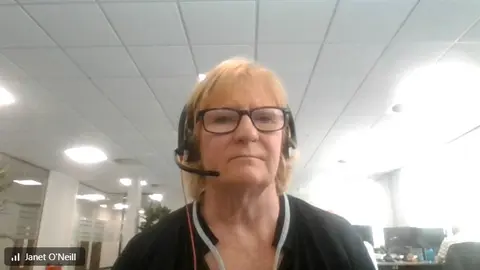
Janet O’Neill is an Occupational Health Nurse working as Deputy Head of the National School of Occupational Health and Head of PAM Academy for PAM Group. She is also a board trustee of iOH, board director of the Council of Work and health and board member of the College of Work and Health.
References:
- https://www.healthcareers.nhs.uk/explore-roles/public-health/roles-public-health/occupational-health-nurse
- https://www.som.org.uk/careers
- https://eastmidlandsdeanery.nhs.uk/occupational-health/careers-occupational-health
- https://www.rcn.org.uk/clinical-topics/occupational-health
- https://www.fohn.org.uk/
- What is Occupational Health? - iOH - The Association of Occupational Health and Wellbeing Professionals
Still have questions about Occupational Health as a career?
If you are interested and would like to speak to a person, you can contact Janet O'Neill directly here.