3 Jun 2026 ● Janet O'Neill, Dep Head of NSOH
The Making Of An Occupational Health Clinician
About the author
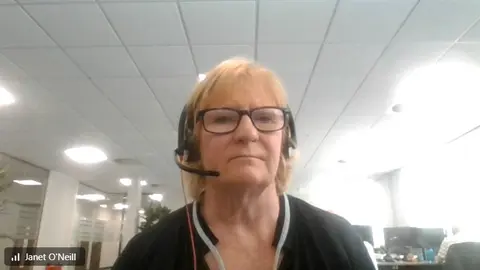
Janet O’Neill is an Occupational Health Nurse working as Deputy Head of the National School of Occupational Health and Head of PAM Academy for PAM Group. She is also a board trustee of iOH, board director of the Council of Work and health and board member of the College of Work and Health.
Occupational Health (OH) clinicians rarely arrive in OH by a straight line. Most of us worked in a completely different specialty before finding our way here, and often after several completely different jobs altogether. Working in OH demands flexibility, critical thinking, autonomy, great communication skills and commercial awareness. Having a scaffold of experiences really does help, giving breadth and depth of awareness, insight and comprehension that underpin the multi‑layered services we deliver.
When I mentor people into Occupational Health, one of my first questions is always: “What did you do before this?”
Not out of curiosity (well… maybe a little), but because understanding someone’s background helps them recognise just how much they bring with them. It also led me to wonder: are OH clinicians more likely than most to have had colourful careers?
So I asked the OH Facebook group what work they did before becoming a clinician and what clinical work they did before OH?
The responses were extraordinary. What emerged wasn’t a neat career pathway but a tapestry of experience. Layers of experience, choice, chance, resilience and reinvention. People had been:
- Chambermaids, bakers, shelf stackers, chip shop workers and potato pickers
- Nannies, lifeguards, holiday reps, ski instructors and yacht crew
- Opera singers, fire eaters, magicians and stand‑up comedians
- Recruitment consultants, buyers, insurance professionals and IT teachers
- Sailors, combat medics, Royal Navy communicators and RAF nurses
- Laboratory technicians, pest controllers, hospital porters and research assistants
Some actively planned to move into OH from the outset, but many fell into it by accident. Others found OH after injury, burnout, family change or frustration with shifts. And yet, across all these roles, clinical and non‑clinical, the same capabilities kept appearing:
Communication!
From youth work to retail, comedy to hospice care, these jobs built confidence speaking to people in distress, the ability to handle confrontation and the ability to read between the lines. Many clinicians found that these experiences were more effective than anything learned on a ward.
Autonomy & Decision‑Making
Working overseas, on rigs, in industry, in lone roles or community settings fostered comfort with independent judgement, risk assessment and knowing when to act and when to escalate. OH thrives on confident autonomy, something many of us learned long before entering the specialty.
Commercial & Organisational Awareness
Whether through industry roles, corporate sales, buying and forecasting, recruitment consultancy or health & safety support. Many clinicians arrived in OH already fluent in how organisations work, how decisions are made, and the realities employers face.
A striking number of contributors had navigated career changes, late entry into their speciality, overseas work, injury or illness and personal upheaval. These experiences clearly shaped clinicians who are:
- Adaptable
- Resilient
- Calm under pressure
- Pragmatic
- Unflustered by complexity
- Comfortable with ambiguity
Some moments are worth celebrating simply for their brilliance:
- The opera singer turned OH Technician who recognised their skillset perfectly aligned
- The dye‑testing lab technician who entered nursing specifically to work in OH
- The holiday rep who learned to “deal with everything that cropped up” which may be the best OH job description ever written
- The nurse who listed their “superpowers” as empathy, professionalism and humour
These stories tell us that Occupational Health attracts, and perhaps even requires, people who think laterally, see the bigger picture, work comfortably between clinical, human and organisational systems plus value sustainability over hierarchy
This may be why so many contributors said moving into OH was the best career decision they ever made.”
Moral of the story, don’t discount previous roles, interrogate them for transferable skills.
Discover more about occupational health
Explore our in-depth guide, created in partnership with the NHS, to learn how this vital field supports health and wellbeing.
Conclusion
For those considering a move into OH, these stories demonstrate the transferable skills which are so useful in OH and perhaps one of the reasons OH clinicians are so rarely surprised by what walks through the door. :
- Advanced communication skills, particularly in sensitive or complex situations
- Independent clinical reasoning and confidence working autonomously
- Adaptability and comfort with ambiguity
- Understanding of work, workplaces and organisational pressures
- Emotional intelligence, empathy and professionalism
- Boundary setting and pragmatic problem‑solving
As one respondent mentioned, her prior experience selling shoes, working in a betting shop and other roles taught her resilience, customer service, courageous conversations, diplomacy, integrity, a strong work ethic, the value of money, dealing with challenging behaviours, listening, dealing with complaints, profit & loss, lots of communication skills, importance of delivering quality and team work.
All essential skills for working in Occupational Health.
Interested in OH as a career?
Why not consider our free mentoring scheme with lots of resources?
Reflections on a varied and inspiring journey into Occupational Health
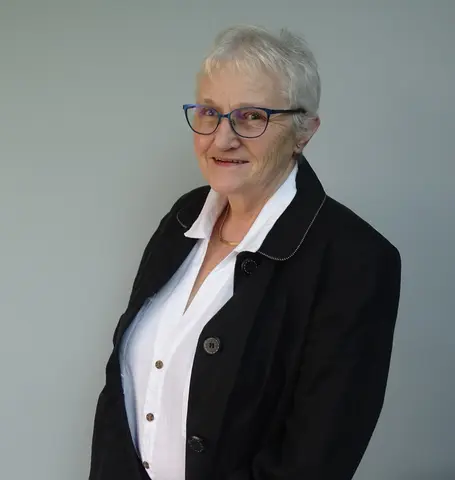
Professor Anne Harris is a former President of the Society of Occupational Medicine.
Initially aspiring to teach science, she retrained as a nurse, gaining wide clinical experience across medical, surgical and research settings. A pivotal role in the Middle East introduced her to occupational health, shaping her diagnostic skills and future career.
Returning to the UK, she built a diverse OH career across multiple sectors, later moving into academia and becoming a professor. She describes OH as the most rewarding career decision she made.
Still have questions about Occupational Health as a career?
If you are interested and would like to speak to a person, you can contact Janet O'Neill directly here.