4 Feb 2026 ● Liane Abanilla
Liane, Cardiac Cath Lab Nurse: Her Career Journey Through Teamwork & Technical Skills
Liane Abanilla is a Cardiac Catheterization Lab (Cath Lab) Nurse, a specialist role within the nursing profession that combines high-level technical skills with patient care. Having spent four years in a Coronary Care Unit, Liane transitioned into the theatre environment to assist with complex heart procedures. We spoke to Liane about the realities of the role, the difference between ward and theatre nursing, and the career pathways available for aspiring cardiac nurses.
The Role and Typical Shift
Can you walk us through your role and what a typical shift entails?
I work in the cardiac cath lab, and the shifts vary between working in the lab itself or being assigned to the recovery room.
If you are assigned to the recovery room, the shift focuses on the patient journey. This includes admitting patients, obtaining key details, and preparing them for their specific procedure—whether that is an angiogram, angioplasty, cardioversion, or pacemaker implantation. You will cannulate them to ensure they have IV access for medications. Post-procedure, you are responsible for recovering them safely and providing patient education regarding the results and their recovery.
Inside the lab itself, there are usually two nurses working together:
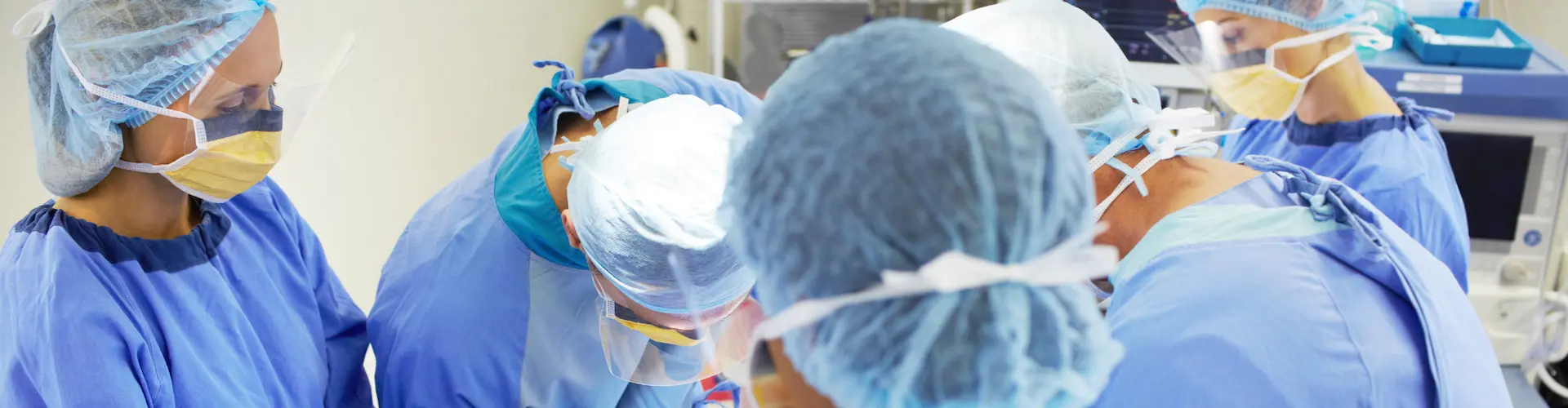
- The Circulating Nurse: This nurse transcribes what is happening during the procedure, administers necessary medications (such as conscious sedation, metoprolol, or anti-arrhythmics), and retrieves the specific equipment the doctor needs.
- The Scrub Nurse: This nurse scrubs in to join the doctor, assisting directly with the procedure. This involves tasks like inflating balloons during an angioplasty and preparing equipment to ensure a smooth workflow.
Jobs for Nurses
Discover nurse roles nationwide with public and private sector healthcare providers on our nurse jobs page. We aim to list more jobs than any other job board, alongside detailed information about each advertiser, so you can find the best job and employer match.
Career Journey
How did you end up in this specialism?
I qualified as a nurse about five years ago. My journey began when I was assigned to a specific Trust for my work experience. I also worked as a Healthcare Assistant (HCA) on the side while completing my education.
It happened that my final placement was in a Coronary Care Unit (CCU). They knew I was qualifying and asked if I wanted to be interviewed. I accepted because I enjoyed the environment, and I went on to work there for four years.
One of the consultants I worked with in the CCU also performed angiograms in the cath lab. I have always been proactive and intrigued by new things, so I asked if I could shadow him on one of his lists. I did a "spoke day" (observation day) in the cath lab setting and absolutely fell in love with it.
What is a spoke day?
a 'spoke day' is an optional, one-day clinical experience undertaken by student nurses or allied health professionals to visit a different department, team, or service outside of their main "hub" placement.
Skills and Challenges
What personal skills does a nurse need to work in a theatre setting?
Teamwork is definitely the most significant skill. In the lab and theatre, you are working alongside various professions, including radiographers, doctors, and physiologists. This requires excellent communication skills—you need to be cohesive and coherent.
Another major skill is the ability to prioritize your workload. You have to perform tasks in a very timely manner.
How does the care differ between a ward setting and the theatre?
The routine is completely different. In the theatre, we have a list of procedures to get through each day, so we must get the patient onto the table promptly. Efficient timing ensures everyone gets their procedure done, which in turn creates flow—freeing up beds for discharges and new admissions.
What do you love about the job?
I love the technical side of it. I absolutely loved my time in the Coronary Care Unit, but the cath lab is far more technical. You are learning about machines, equipment costs, and how to use specific devices.
You also have to learn detailed anatomy and try to anticipate what the doctor will need next. It offers a vast, wide range of knowledge that you can access.
Is it a pressurized environment to work in?
Definitely. We receive emergencies, such as heart attack patients, where you don't really know what you are walking into. It can be a very stressful environment. That is why having good communication and a strong team around you is so helpful.
Are there other specific challenges for someone new to this role?
A big challenge would be coming from a completely new background without prior cardiac experience. I had an advantage because I already had four years of cardiology knowledge, which helped immensely. I already possessed knowledge that interlinked with the lab work; it was just a matter of learning the equipment and piecing the puzzle together.
Nurse Career Guide
Develop your Nurse career in the UK with our Nurse Career Guide. Discover training & qualification routes, duties, salary, skills, progression, employers and more.
Qualifications and Advice
What steps should someone take if they want to do what you are doing?
It is quite rare for cath lab settings to take on newly qualified nurses. If you are intrigued by this specialism, I would recommend requesting a "spoke day" to observe the environment.
Additionally, working bank shifts as a Healthcare Assistant can be very beneficial. By doing this, you open yourself up to the field, pick up a lot of knowledge, and find that the majority of staff are more than happy to educate you.
Do you have to study to be an adult nurse to do this role?
Yes, you must be a registered adult nurse.
Pay & Progression
What does career progression look like in this field?
As with many nursing roles, the plan often involves adapting to senior roles. I would definitely like to progress to a senior position.
One of the things I love about cardiology is that it stems out into many other specialisms. You can move into Cardiac Rehab, become a Heart Failure Nurse, or become a Team Lead or Clinical Fellow for angiograms and angioplasties.
Nursing Pay Guide
Find out more information about pay in our Nursing Pay Guide which you can jump into for a full, deep dive into salary and pay rates for this job role. We keep all of our pages up to date, using trusted sources and humans, so this is accurate information.
Does the NHS support you in that training?
Speaking specifically about the Trust I am with now, they are very good with education. They encourage you and make you aware that funding is available—usually every year or every three years. You have a set amount to choose a course that interests you, which you then add to your Continuous Professional Development (CPD).
I am currently planning on doing an Acute Cardiac Nurse course, which entails better knowledge of anatomy and different procedures. This will aid my progression toward a senior role.
Where do you see yourself in the next few years?
I have actually started doing some private nursing on the side. They perform different procedures there, such as Electrophysiology (EP) studies and ablations, which I enjoy.
In the next few years, I would like to see myself as a Band 6 nurse, or specializing in a position like Cardiac Rehab or Heart Failure. The private sector is also appealing because it offers exposure to procedures we don't currently do in my Trust.
Are you a Nurse looking to specialize?
If Liane's journey into the technical world of cardiology has inspired you, check out our latest job listings for nurses today.