1 Nov 2018 ● Ben Farrah, Charge Nurse on a Psychiatric Intensive Care Unit (PICU)
Mental health nurses face increasing emotional pressures
In his 12 years working on an all-male Psychiatric Intensive Care Unit Ben has experienced many challenging situations. He believes RMNs must have their human needs recognised if we’re to reduce the emotional pressures being placed on them.
 Until AI nurses are sold to the NHS, we're still humans - with human needs
No matter what setting the nurse is based in, community or in-patient, he or she may experience stressors throughout their career.
After over a decade working in acute care I feel I have personally experienced many varied challenging situations (as well as many positive) that placed me in a position where I had to take account of my own mental and emotional health.
It’s challenging, but the pressures aren’t entirely down to patient behaviour
Working with patients that are detained under the Mental Health Act will by definition expose tension.
The nurse is working as both advocate and as someone who must safely contain (physically and emotionally) men and women who do not wish to stay in hospital. Often, our patients do not wish to engage with the boundaries of the ward or receive treatment.
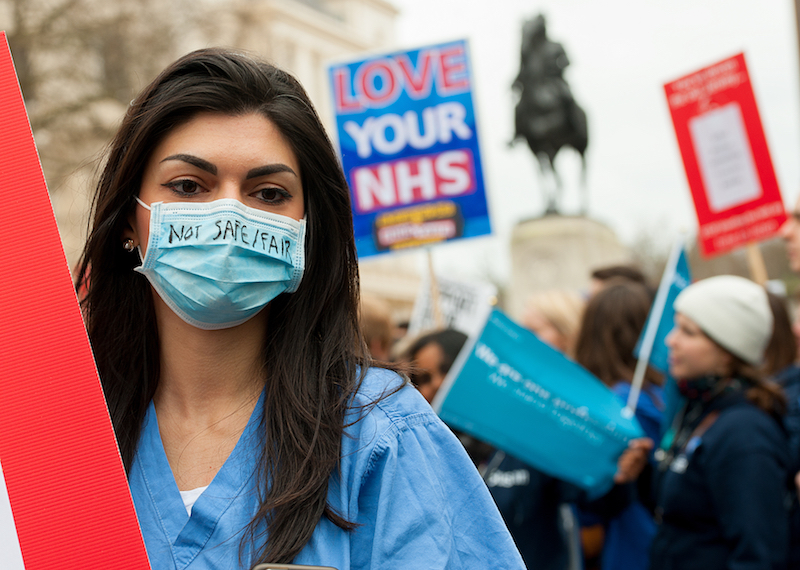 Are we treated fairly?
Patient-to-nurse ratio out of sync
With patient numbers on wards varying between ten to twenty in larger units ever-decreasing staff numbers are impacting on each nurse’s ability to safely manage this challenging dynamic.
It needs to be stressed that, in addition, a charge nurse is also managing other members of the ward team throughout a shift. This can place incredible strains on a person and, occasionally, expose them to a vulnerable position.
Showing leadership qualities, engaging with challenging patients and ensuring safety through a shift pattern (often without a break), can culminate in pressures upon the nurse that are not seen in other professions. Inevitably, people in this kind of environment become irritable and short tempered.
 This is a human to human vocation
Remember, we’re only human
Without adequate support, pastoral care, safeguards, and, frankly, acknowledgement a beleaguered mental health nurse will eventually require time away from work to cope – a move to other clinical areas or leave nursing completely.
Clearly, this impacts staff retention and is a real factor in the multiple challenges facing nursing recruitment generally in the NHS.
Good working practice suggests regular breaks, daily team ‘huddles’ to discuss issues on the ward, psychological input and regular supervision.
Current staffing levels within the NHS often mean these supportive measures are not attended to with significance and this has a negative impact upon individual nurses and teams.
Other such pressures can include an increased amount of time completing paperwork, on-line training and changes to working hours and practices. It all has to be squeezed in.
Nursing in the field of mental health can be incredibly rewarding, enjoyable and mostly good fun. That’s what keeps us working hard each day. Learn how to become a mental health nurse.
However, the very real nursing crisis is placing staff at increased risk of emotional damage.
Increasingly nurses are engaging more fully with their respective unions and becoming more vocal in their needs as employees.
Most sadly, many other nurses simply leave the profession worn out or demoralised.
Newly qualified nurses are increasingly taking up positions in community teams, often only to find these areas have their own unique causes of stress.

Advice to mental health nurses seeking a new job
Any nurse seeking a position would therefore be advised to scrutinise their prospective employers’ means of supporting staff, the nurse-to-patient ratio and expected working hours.
Ultimately, work/life balance and supportive family and friends, not to mention a healthy ward team dynamic can ensure the nurse is able to weather the many storms throughout their career.
But more needs to be done if we are to address the increasing emotional strain and pressures RMNs at work are placed under.