12 Apr 2023 ● Jonathan Horn, Registered Adult Nurse
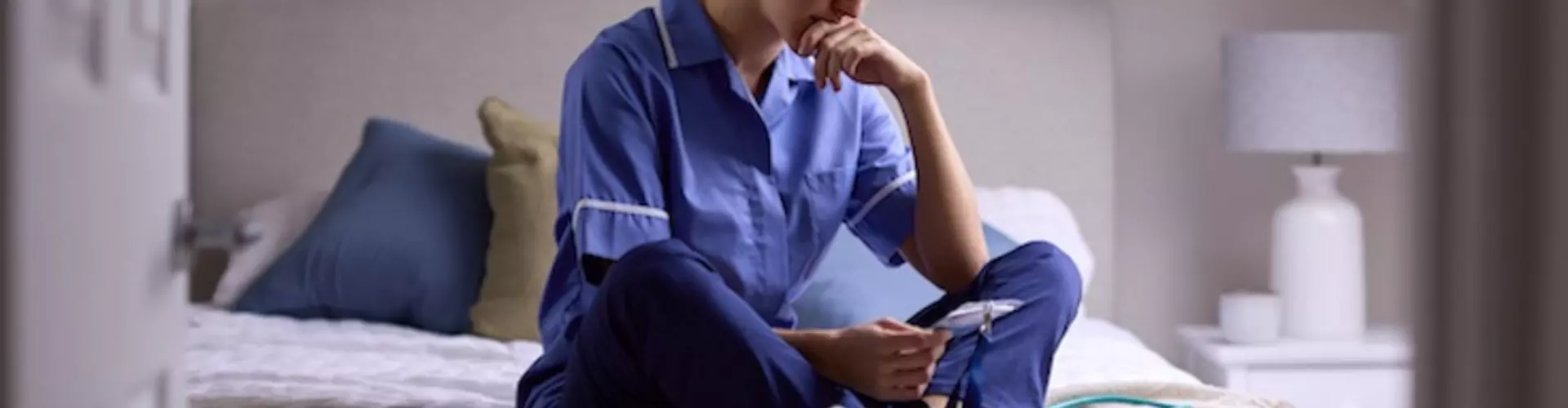
Managing Stress As A Nurse
 “Stress and nursing come hand in hand, and with the pandemics and pay issues this is not going away. Covid 19 saw unprecedented and unimaginable pressures placed on everyone working in a healthcare, and working longer hours than normal, as well as short staffing, took its toll on the entire workforce.”
 Nursing is often known as a stressful career, but it doesn’t always have to be that way. Registered Nurse Jonathan takes us through how to recognise early signs of and manage stress.
Stress will likely affect all of us at some point in our lives but a career in nursing can certainly heighten the potential of having to deal with this more frequently.
There are many definitions of a stress but in its simple term it’s a change that causes physical, emotional, or psychological strain. When we are stressed our body releases adrenaline (also known as the fight or flight hormone).
Stress can be both short and long term and with the constant pressures of healthcare it’s a factor that could really impact your lifestyle if you don’t recognise how it presents, causes and your individual triggers.
Symptoms And Causes Of Stress
Working long hours offers its only symptoms to our physical state and these can be mistakenly ignored as early signs of stress. Often the individual’s observations may present with elevate blood pressure, pulse and increased breathing rate.
Physical symptoms of stress are varied but often include:
• Aches and pains
• Exhaustion or trouble sleeping
• Headaches or dizziness
• Muscle tension
• Stomach and digestive problems
Emotional symptoms are also regularly present during both short- and long-term stress and can have enormous effects on how a person behaves daily.
Some examples include:
• Feeling irritable or angry
• Feeling anxious or nervous
• A feeling of being overwhelmed or over-burdened
• Uninterested in life
• Loneliness
• Existing mental health problems getting worse
Causes of stress can be factors that you can and can’t control, Maybe you’ve chosen to ignore then or make excuses not to review them at that moment. Not having enough time is something I expect we all say at least once a week, but could this be down to our time management? Or maybe unhealthy lifestyles have now become the norm, as has taking on too much and not saying no.
What Can Trigger Stress?
Those are just a few examples of what can cause stress, but delving a little deeper, what are some of the triggers of these?
In a time when cost of living crisis is becoming increasing hard, money worries, work commitments and job security can seriously create a stressful work life balance.
Illness and potential deaths of loves ones, which we all deal with along our life journey, can frequently hit us when we least expect.
Recently the Covid -19 pandemic is a great example how a lot of causes of stress were in everybody’s lives and how it did not discriminate. Regardless of wealth, ethnicity or social background, it affected us all.
Stress And Nursing
Stress and nursing come hand in hand, and with the pandemic and pay issues this is not going away. Covid 19 saw unprecedented and unimaginable pressures placed on everyone working in a healthcare, and ultimately plans were not in place for an event such as this. Working longer hours than normal, as well as constant short staffing took its toll on the entire workforce.
Healthcare is still clearing up after the pandemic and the number of professionals leaving has increased leaving more unfilled vacancies in every aspect of healthcare. Stress created from this is likely to get worse as the general public expect services to be provided without delay and the entire workforce is on its knees due to fallout of the pandemic, as well as the recent pay negotiations with the government.
Finding a work life balance as a healthcare professional is difficult and the constant back handed comments from the government regarding pay only increases these pressures. Lots of nurses are working extra shifts to enhance their pay, meaning less down time, less family time thus increases the pressure of an already tricky job.
The Impact Of Stress On Individuals, Teams & Patients
The effects of stress on individuals and how it affects the wider team has potential implications for the care of patients which could certainly have a negative outcome. If an individual starts to suffer from stress it will likely reduce their effectiveness in the workplace and could also breakdown professional relationships. As we know stress cause fatigue and this could impair decision making, thus also impacting effective communication amongst the wider team.
If as an individual, you appear to be making simple and constant mistakes within your role colleagues will become frustrated. This is term could lead to a breakdown in teamwork and ultimately the patient not receiving the best care they deserve.
Stress and nursing come hand in hand, and with the pandemic and pay issues this is not going away. Covid 19 saw unprecedented and unimaginable pressures placed on everyone working in a healthcare, and working longer hours than normal, as well as short staffing, took its toll on the entire workforce.
Tips For Reducing Stress
Here are the main ways of reducing stress that work for me personally.
Understanding Your Triggers
Having had personal issues with stress and mental health in the past I would say the most important part of reducing and managing stress is to understand what your triggers are and how to prevent them.
Personally, my normal trigger is centred around headaches or dizziness. These are normally my first warning signs. I then try to review what has been going and what changes I can make. This could be simply to try and organise tasks better, reduce the number of extra shifts I’m working for a short period or find someone to talk.
Talking is important and this could be to a friend or family member, alternatively if you are comfortable someone within your work organisation as they may be experiencing similar feelings.
Regular Exercise
I also make sure I do regular exercise. Although it might not clear the stress it does allow me to clear my thoughts and approach everything with a clearer head. Exercise has always been a part of my life, but I did not actually understand its importance to me until my mental health problems arose.
Have A Strong Support Network
Third is making sure to have a strong support network around you. This is important as it keeps you engaged and ensures you do become withdrawn or socially isolated. Feelings like this can be difficult to overcome but you must be positive and try to make plans whether that’s a phone call to a friend, grabbing lunch or just something that makes you smile.
Positive Task Orientation
Finally, there is positive task orientation, where you write down three things that went well or you are grateful of at the end of the day. Helping others can give us a sense of fulfilment and happiness, and receiving gratitude helps to promote positive thinking.
My personal strategies might not work for you but there are always other options and alternatives to help get you though.
Try to take me time where and whenever possible. You are the most important person in making these decisions for yourself and by ignoring them, it will affect all aspects of your life. Find your balance.
Thank you.